
The Making of Ali Hugo’s “Don’t Burn Bridges”
Hugo’s production approach demonstrates a clear understanding of how modern tools can be used not just for correction, but for intentional sonic storytelling.
Ali Hugo’s upcoming album Don’t Burn Bridges is a deliberate study in tonal duality — where analog-era warmth coexists with modern digital precision. This project isn’t just a collection of songs; it’s a tightly engineered sonic environment, shaped through careful decisions in arrangement, synthesis, signal flow, and post-processing.
Recorded entirely at Belief Recording Studios — Hugo’s own production space under Belief Records — the album reflects a fully self-contained workflow. Every track was written, arranged, produced, and performed by Hugo, allowing for a consistent aesthetic across the entire frequency spectrum, from sub-heavy low-end foundations to finely sculpted high-frequency air.
Hybrid Production Workflow & Sound Design
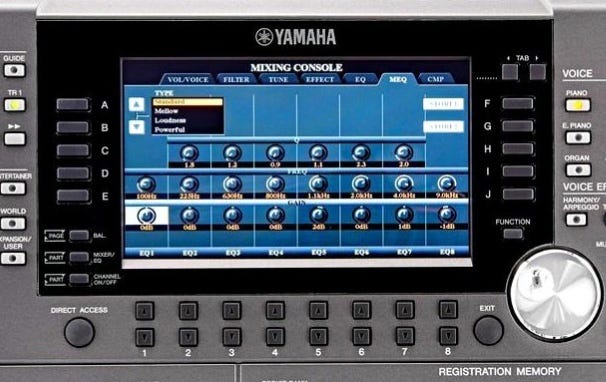
A significant portion of the album’s programming originated from the Yamaha PSR series, particularly leveraging deep arranger functionality. Hugo exploited tools like the Style Creator for rhythm architecture, Multipad Creator for transient phrase layering, and Registration Memory for rapid recall of complex signal chains and performance setups.
With nearly a thousand onboard voices and hundreds of styles, the workstation became more than a sketchpad — it functioned as a modular composition hub. Hugo pushed beyond presets, using the internal mixing console to rebalance frequency content, carve out midrange space (typically 250 Hz–2 kHz), and shape the stereo field. Custom style assembly allowed rhythmic elements to sit tightly in the groove without masking critical vocal intelligibility.
Vintage Harmonics & O**** Modeling
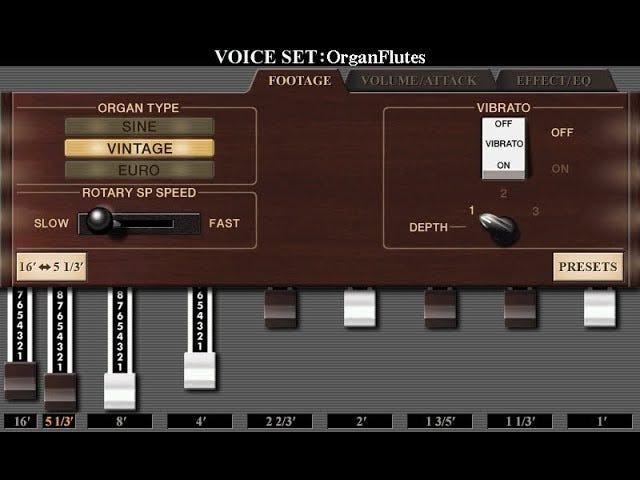
A defining contributor to the album’s tonal identity is the use of o**** modeling via drawbar-style synthesis. Hugo leaned heavily into harmonic manipulation — adjusting individual footage to emphasize specific overtone series, particularly in the low-mid range (around 150–400 Hz) to achieve that “vintage glue.”
By dialing between sine-based purity and more complex “vintage” waveforms, and modulating rotary speaker speed, he introduced controlled motion into the midrange. A subtle vibrato and chorusing added width without compromising mono compatibility — critical for maintaining fidelity across playback systems.
Vocal Production: Cohesion, Space & Character
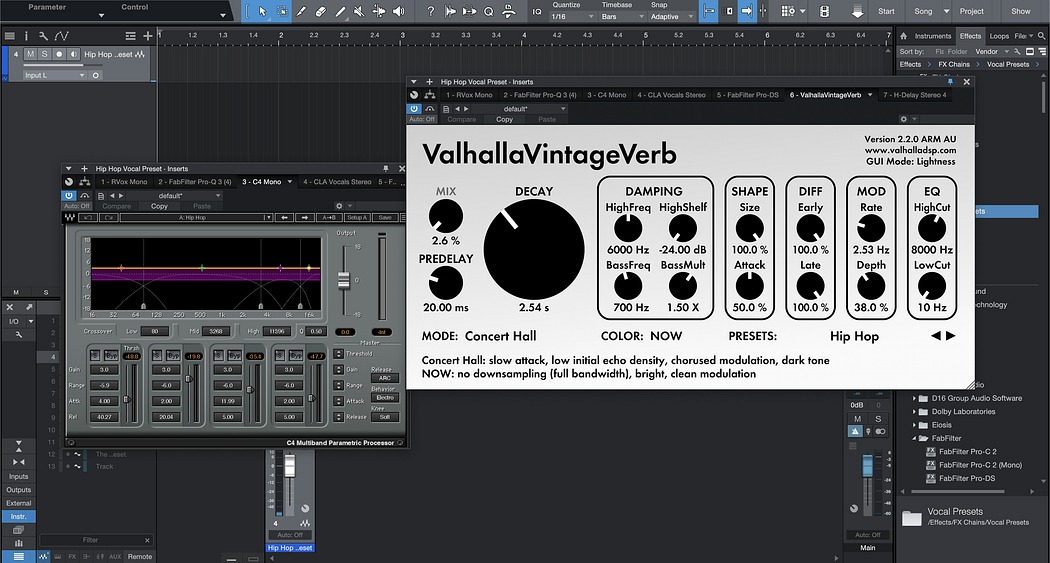
Vocals across Don’t Burn Bridges are intentionally raw but spatially coherent. Hugo relied on a “same room” philosophy — ensuring all vocal layers (leads, doubles, harmonies) shared a unified acoustic signature.
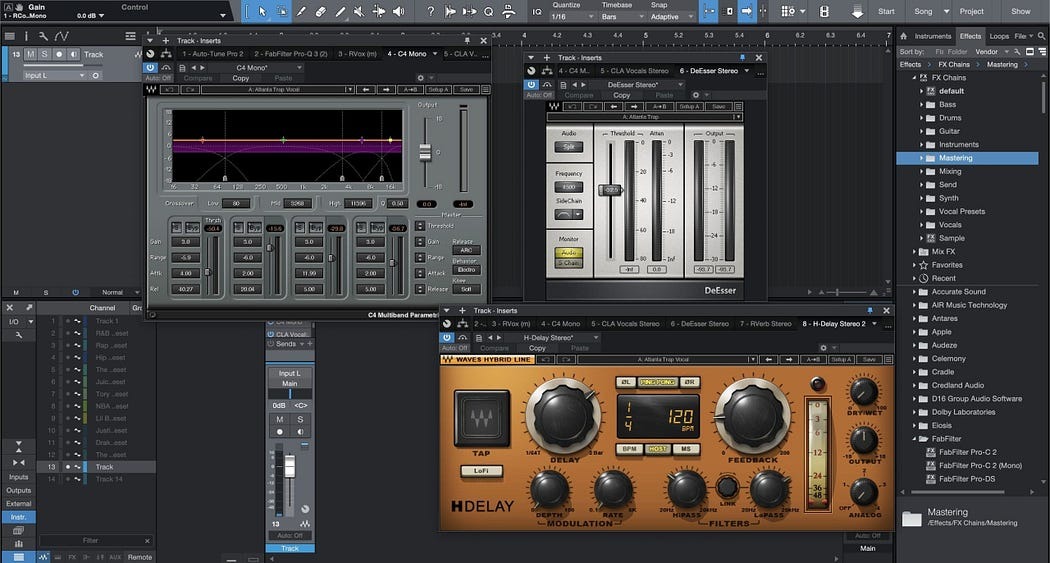
This was achieved through:
Shared reverb sends with tightly controlled early reflections
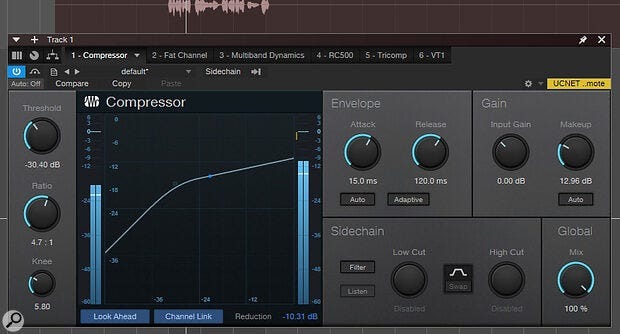
Light bus compression to glue layers together
EQ carving to prevent buildup in the low mids (typically attenuating around 200–350 Hz)
Controlled presence boosts (around 4–8 kHz) for articulation without harshness
Some vocal takes were captured in unconventional environments — including tiled spaces — to introduce natural reflections. These recordings were then carefully managed with EQ and transient shaping to retain character while avoiding brittle high-end artifacts.
On more aggressive tracks like Somebody’s Coming, Hugo employed a hip-hop vocal chain designed for forward placement in the mix. This involved:
Tight low-cut filtering (below ~80 Hz)
Controlled compression for density
Strategic boosts in the 2–5 kHz range for intelligibility
Harmonic saturation to enhance perceived loudness without clipping
The result is a vocal presence that cuts cleanly through dense arrangements while maintaining clarity and punch.
Problem Solving in the Mix: Mud & Clarity
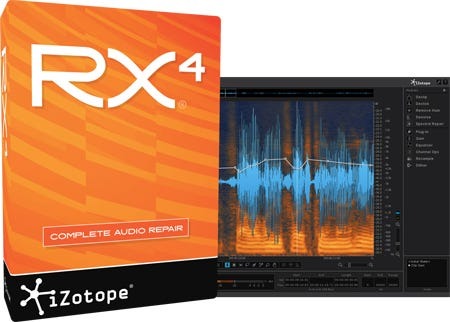
During the final stages of Jeremy, Hugo encountered excessive muddiness — an issue that often hides in untreated low-mid buildup. The problem became apparent only during mastering, where cumulative frequency masking can surface.
To resolve this, spectral repair and dynamic EQ techniques were used to rebalance the mix:
Narrow cuts in the 250–400 Hz region
Subtle harmonic excitation above 8 kHz to restore air
Phase-aware processing to maintain coherence
This process ultimately restored clarity while preserving the analog-style warmth that defines the album.
Multiband Dynamics & Finalization
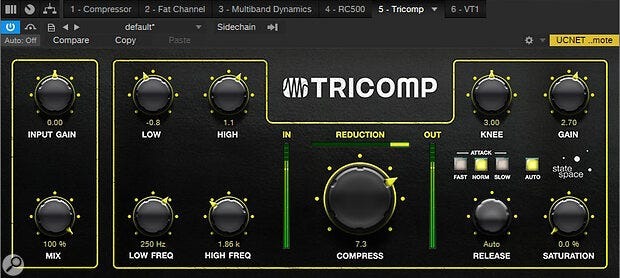
The final polish on Don’t Burn Bridges relies heavily on multiband compression — one of the most critical tools in modern mastering. Hugo approached this not as a blunt loudness tool, but as a precision instrument for frequency control.
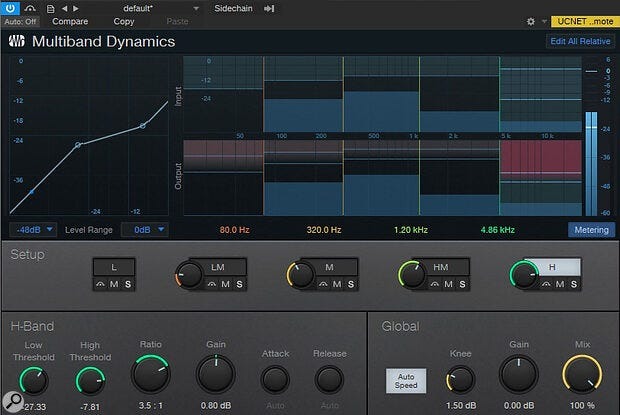
By splitting the mix into multiple bands, he was able to:
Tighten the low end (20–120 Hz) for controlled, punchy bass
Smooth out low-mid congestion without thinning the mix
Preserve vocal presence in the midrange
Gently tame high-frequency transients while maintaining sparkle
Dual-threshold compression allowed for nuanced control — defining when compression engages and when it relaxes — resulting in a dynamic yet polished master.
Final Sonic Identity
At its core, Don’t Burn Bridges is about balance:
Analog-style saturation vs. digital clarity
Dense arrangements vs. frequency separation
Raw performances vs. refined processing
The album’s fidelity lies in its attention to detail — each element occupying its own spectral space, from sub frequencies anchoring the mix to shimmering highs adding dimension. Hugo’s production approach demonstrates a clear understanding of how modern tools can be used not just for correction, but for intentional sonic storytelling.









Leave a comment
You must be logged in to post a comment.